|
|
|||||||||||
|
e-solidarity
is a humanitarian concept and also a charity organization (association), helping in education of Maasai children in East Africa. We are living in what is called the era of information. E-solidarity tries to give a new dimension to the word "information", a dimension more social and more human than technical.
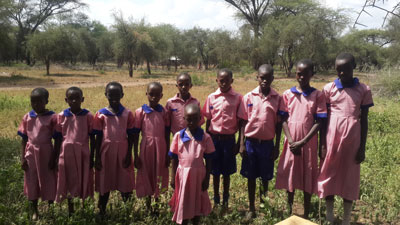
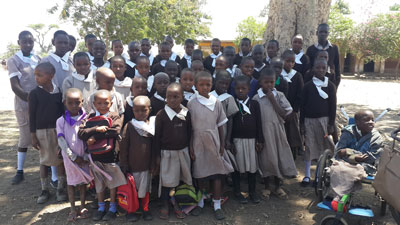
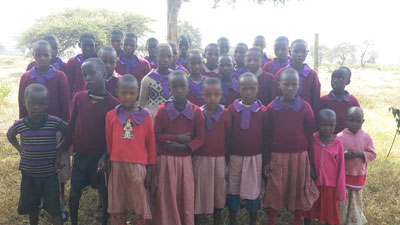
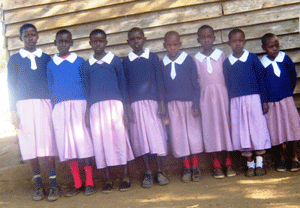
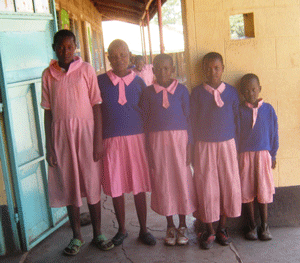
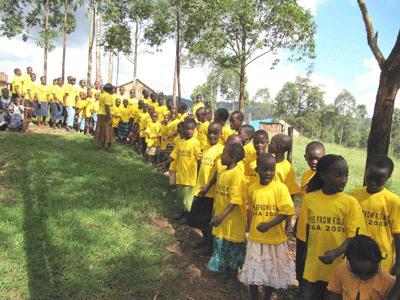
e-solidarity, is the voice of the association M.A.A. (Maasai Aid Association). - it tries to connect worldwide, the generosity and abundance of some ones with the distress and the absence of the minimum vital for living of some others, such as vulnerable children. - it brings information at the level of rural Maasai women aiming to break the wall of isolation and ignorance in which some communities still live in and which is the source of violation of Children and Women Rights (speaking about FGM : Female Genital Mutilations, early forced marriages, lack of primary education for child girls and so on). More than 360 pupils go to school on 2020, in Kenya, thanks to you, M.A.A. donators and godparents. Some of our grantees :
Orgumaek primary
Matepes primary
Olmapinu primary Thank you for your donation (clic here) M.A.A. Projects 2017 all accomplished ! 3 major projects have been planned and have been realized in 2017.
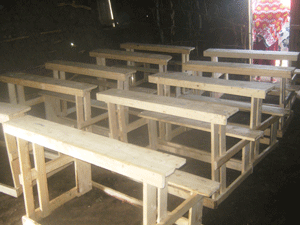
B) "School Infrastructures
at 3 Massai villages" supported by the DGSI of the City of
Geneva and the Commune of Meyrin.
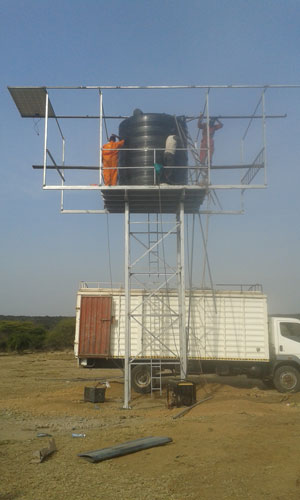
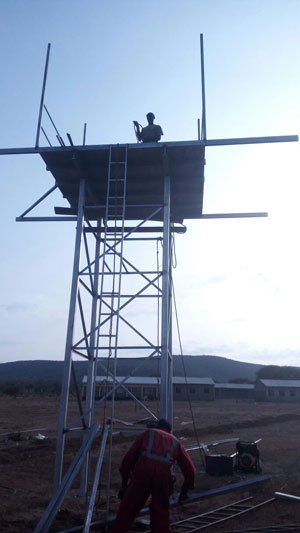
For more details, photos, informations, have a look at our Newsletters, all on line. Our projects for 2016 all accomplished ! 1. Finally the borehole (the well) at the Enaramatishoreki village is functioning ! As a reminder, the water was found at a depth of
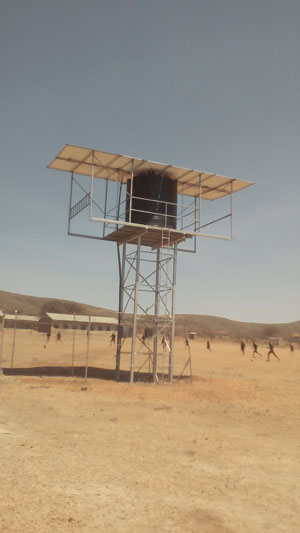
210 m down. The extraction is operated thanks to solar power (16
solar panels installed). The submersible pump is situated at 180m
in the ground, and two big water tanks are storing as an intermediary
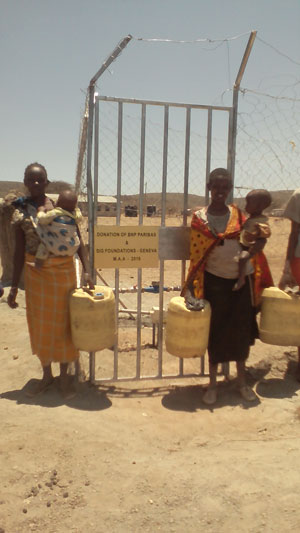
storage the water coming out when solar power is there. We thank very much the principle donors in
this critical project which took 3-4 years and cost around 45'000
$. They are :
Solar panels installation
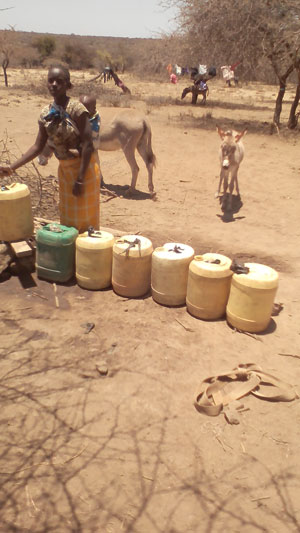
Maasai women fetching water from the tap
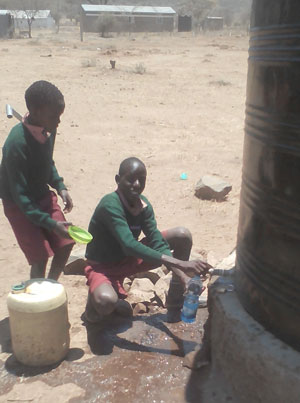
Happy pupils drink clean water into the school yard. 2. M.A.A. paid orthopaedic surgery and burn victims reparation to 8 handicaped children at Kijabe Hospital, in Kenya. 3. M.A.A. is providing 6 University scholarships to young Maasai (boy and girls) And continuously the following projects: 4. M.A.A. is offering more than 250 scholarships (grants) for primary and secondary students
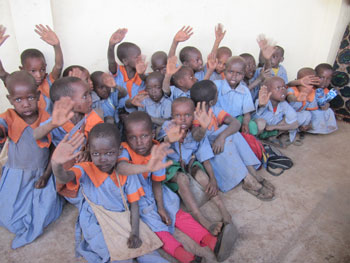
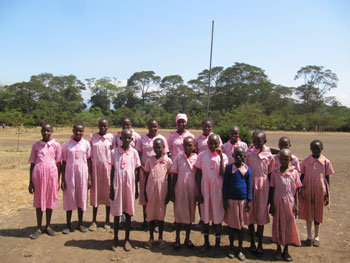
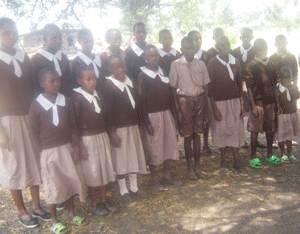
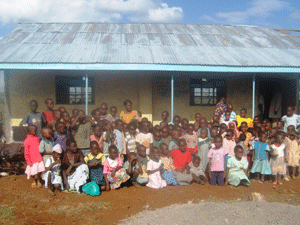
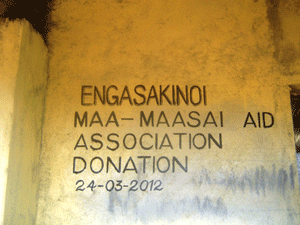
Engasakinoi Naramatisho primary , our grantees at Rombo primary M.A.A. has a big "waiting list" of needy children waiting your support. Thank you to not forget them !
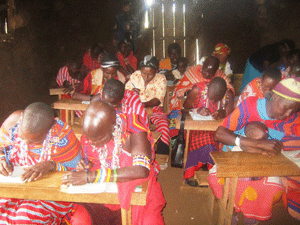
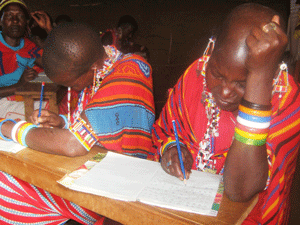
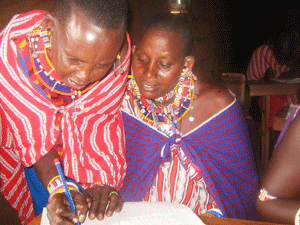
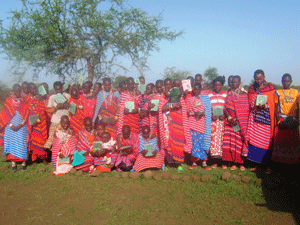
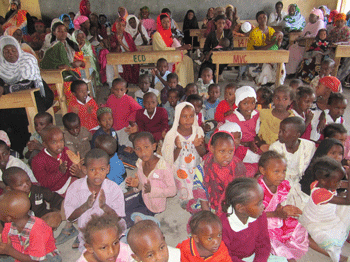
A sample of our beneficiaries, 6 to 19 years old. Rural Maasai women literacy project 2012-14 We are runing since January 2012 a full literacy program in 9 villages in Kenya. THE VILLAGES ARE: - Dol-Dol (à Nanuyki, Samburu) M.A.A. literacy classes are attended by 30-40 women each, aged between 20 and 60 years and having many children (between 3 and 13 children). This ambitious program aims to give basic skills to Maasai mothers or early married young girls, so that they are empowered and true citizen, knowing how to read, write and count. Below are some photos of adult (women) classes.
Our campaign
against FGM in Kenya, during 2010
Our campaign
against FGM in Kenya, during 2009
M.A.A. is helping Maasai mothers by selling their traditional hand made beadwork. You can buy some of that jewllery if you contact us :
|
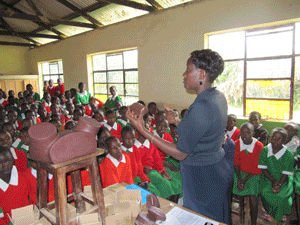
M.A.A. is in Special Consultative Status with the Economic and Social Council of the United Nations. Our anatomical model for teaching about FGM |
|||||||||||
 |
 |
|||||||||||
|
M.A.A. Goodwill Ambassador
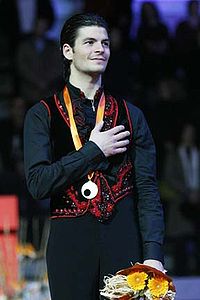
The Swiss world champion in artistic skating Stephane Lambiel. Stephane was World champion in 2005- Moscow, 2006-Calgary and silver medal in Winter Olympics of 2006 in Turin. He is M.A.A. member supporting a Samburu girl scholarship at UMOJA village, in Kenya. He is very concerned by gender equality and women rights as well as social discrimination against girls and women.
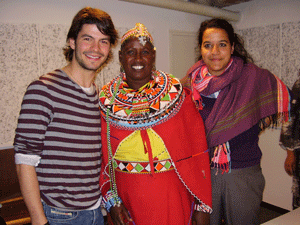
Stephane with Rebecca Lolosoli from Umoja, and Katy. Ashé Oleng (thank you a lot, in Maasai)
|
||||||||||||
| webmaster@e-solidarity.org | ||||||||||||
| Copyright
© - e-solidarity.org, 2004-2005 info@e-solidarity.org |
||||||||||||